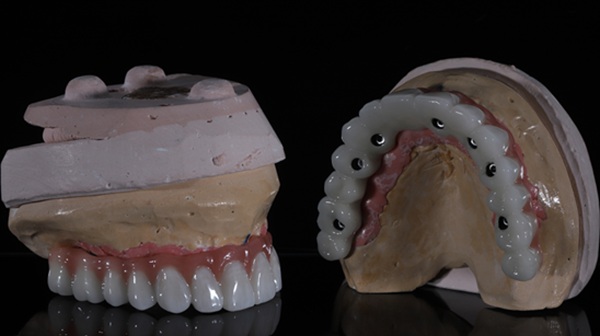
If you rely on implant supported dentures for everyday oral function, a sudden repair may feel like a major setback for your confidence and comfort. While these restorations are designed for long-term durability, their mechanical components can wear down over time. Understanding the restorative process ensures that a solution is reached quickly.
Common reasons for a repair
Although the titanium posts that anchor the denture stimulate the jawbone and prevent bone resorption, the prosthetic teeth and base are subject to constant pressure. Daily chewing and biting forces place stress on the acrylic material and attachments. Repairs typically involve the removable portion of the device rather than the underlying implants.
Frequent reasons that implant-supported dentures need repair include:
- Replacing worn-out nylon attachment inserts or O-rings
- Repairing small chips or fractures in the prosthetic teeth
- Relining the denture base
- Tightening or replacing internal abutment screws
- Fixing a cracked metal framework in the denture body
- Re-bonding a tooth that has detached from the acrylic base
Addressing these issues at the earliest possible stage prevents further damage to the structural integrity of the prosthesis.
What to expect from the repair process
Step 1. Physical examination and diagnostic imaging
A clinical examination by an experienced dental professional is the first step in the restoration of function. The dentist will assess the stability of the implants and the condition of the hardware. They will typically use diagnostic imaging to confirm that the implants in the jawbone remain stable and provide a solid foundation for the restoration.
Step 2. The repair
If the damage is minor, the dental team can typically perform the repair without the patient needing to leave the office. However, for more extensive or structural repairs, the prosthesis may need to be sent to a dental lab for a few days. Many offices offer temporary teeth, so no one has to go without.
Step 3. Placing the repaired prosthetic
Once the dental lab finishes the repair, the dentist will perform a final check to ensure the repaired prosthetic fits comfortably. Regular care and checkups every six months help detect these small issues before they lead to a complete fracture. It is much easier to replace a small screw or a clip than to fix a snapped frame.
Protecting the long-term stability of the restoration
The long-term success of implant-supported dentures depends on the commitment to postoperative care and hygiene. Because these restorations function like natural teeth, they require the same attention to detail as natural teeth to prevent plaque buildup and tissue inflammation. Following the specific instructions of a dental provider regarding cleaning agents and nighttime care will help minimize the need for professional repairs.
Schedule an appointment today
If you have noticed a change in the fit or appearance of your implant-supported dentures, professional intervention can restore your peace of mind. The iSmile Dental Team PC team is dedicated to ensuring your smile remains functional and beautiful for years to come. Call our Philadelphia office to discuss your repair options or to schedule a maintenance visit.
Request an appointment here: https://www.ismileteam.com or call iSmile Dental Team PC at (267) 515-6162 for an appointment in our Philadelphia office.
Check out what others are saying about our dental services on Yelp: Implant Supported Dentures in Philadelphia, PA.
Recent Posts
When it comes to replacing missing teeth, implant supported dentures are an effective and long-lasting choice. An implant is an artificial tooth root that is often inserted in the jawbone. It is used to hold an artificial tooth in place. All-on-4® dental implants are increasingly being recommended for people who need to replace multiple lost…
Considering implant supported dentures? This popular treatment option combines two solutions that both work to replace missing teeth. While implant-supported dentures alone solve the problem of missing teeth, they also benefit oral health in ways that may not be so obvious. Continue reading to learn more about these benefits. Outlined below are a few ways that…
A denture reline is a normal part of wearing dentures. Relines are needed to fix ill-fitting dentures. You experience bone loss when you wear dentures, and eventually, that will cause the dentures to fit poorly. The reline adjusts the shape of the dentures, so they fit once again. Most people need a reline every two…
You likely know that a denture is not meant to be permanent. You will have to get dentures replaced from time to time over the years. Dentures typically last for 5-8 years. Once the time is up, you will need to get your dentures replaced. Learn why dentures only last for 5-8 years and what…